Meet the Six Areas of BOUNCE
Children are wonderfully complex.
No single theory can explain every behaviour, every emotion, or every experience.
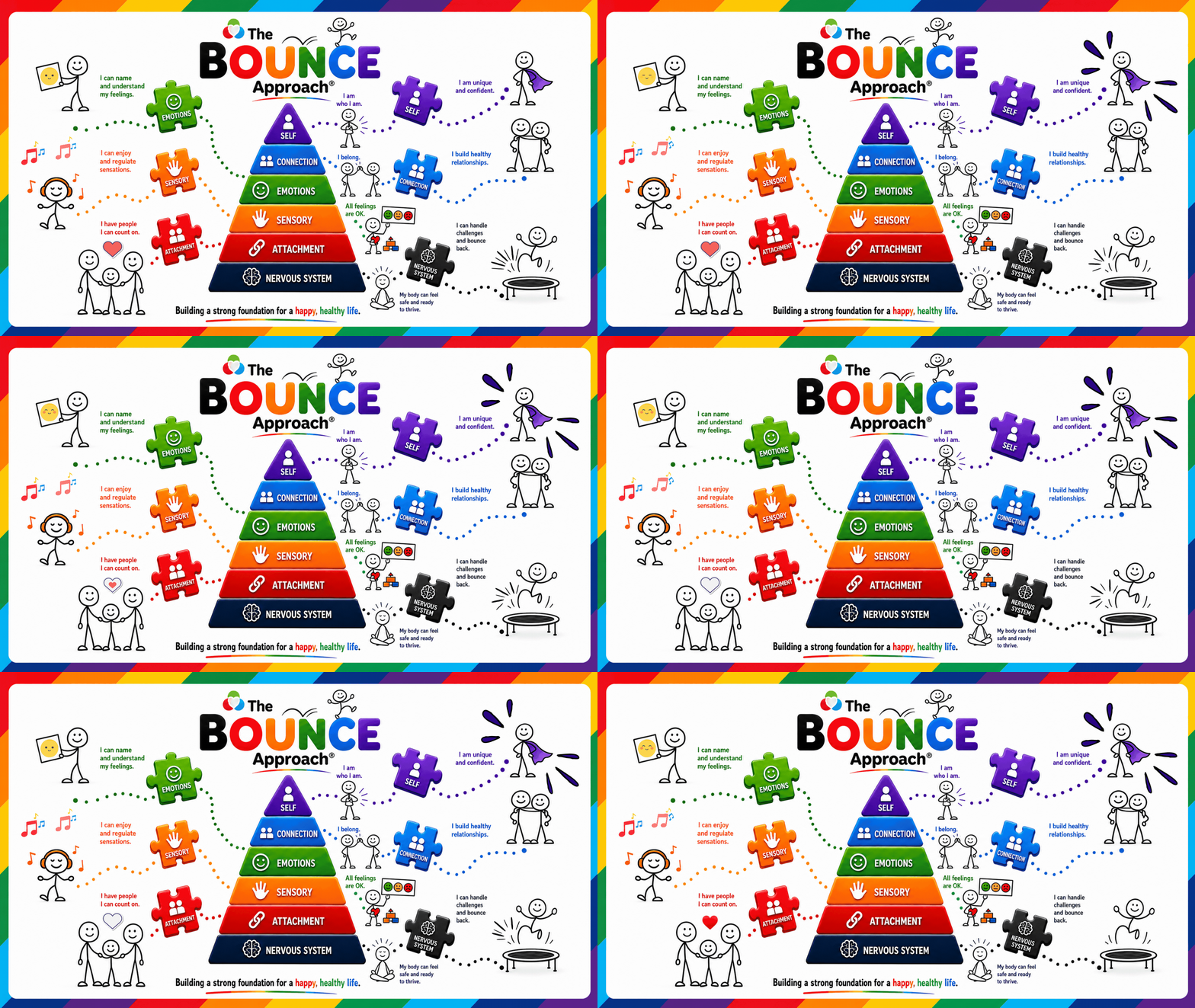
The BOUNCE Approach® brings together six interconnected areas of development that influence how children feel, learn, communicate, and build relationships.
Each area affects the others. When one becomes overwhelmed, the others are often affected too.
Together, they provide a whole-child framework for understanding what may lie beneath behaviour.
B— Body and Nervous System
“How safe does my body feel?”
Everything begins with the nervous system. Before children can think, learn, or regulate emotions, their body is constantly asking one important question: Am I safe?
Understanding the body helps us recognise what children need before behaviour escalates.
O— Openness to Trust and Attachment
“Who helps me feel safe?”
Children develop through relationships.
Safe, consistent relationships help children build trust, recover from stress, and explore the world with confidence.
U— Understanding Sensory Differences
“How do I experience the world?”
Every child experiences their environment differently.
Some children seek sensory input, while others become overwhelmed by it. Recognising sensory differences helps us adapt environments instead of expecting children to simply cope.
N— Navigating Emotions
“What is my body trying to tell me?”
Emotions are not problems to fix.
They are messages that help us understand what a child may need. Learning to recognise, name, and understand emotions helps children develop emotional literacy and self-awareness.
C— Connection and Communication
“How do I connect with myself and others?”
Communication is much more than spoken words.
Behaviour, movement, silence, facial expressions, play, and gestures all communicate important information. When we become curious about how children communicate, connection becomes easier.
E— Esteem and Identity
“Who am I becoming?”
A child’s sense of self develops through everyday experiences of being understood, valued, and accepted.
Supporting identity helps children recognise their strengths, embrace their differences, and develop lasting self-worth.
Our framework opens the question of curiousity that helps you look beneath behaviour, recognise children’s underlying needs, and respond with greater confidence, compassion, and understanding.